

Quick answer
The whale watching dress code for New York Harbor requires layered clothing, waterproof outerwear, and closed-toe shoes with non-slip soles. Ocean winds can drop the perceived temperature 10 to 15 degrees below the forecast, and spray from the bow reaches viewing decks during transit. Dress as though the temperature is cooler than the land forecast, bring a windproof jacket even on warm days, and avoid open-toed footwear on wet deck surfaces.
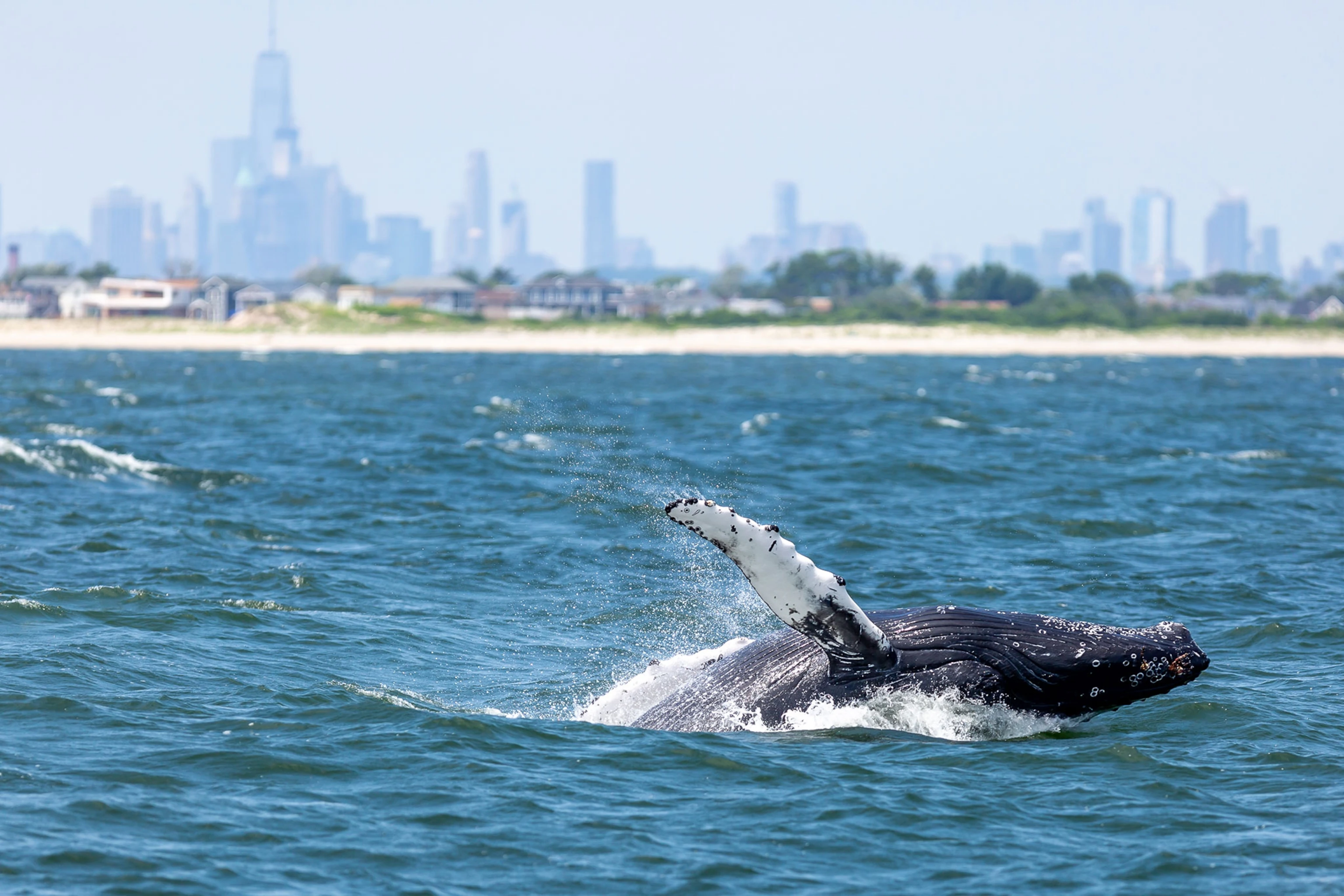
Atlantic waters off New York Harbor maintain temperatures between 39°F in winter and 72°F in summer, but wind chill aboard a moving vessel creates conditions far colder than the air temperature suggests. Humpback and fin whales feed in these nutrient-rich waters from spring through autumn, drawing tour boats into open ocean where shelter from wind disappears and spray becomes constant. The base layer matters most. Synthetic or merino wool fabrics wick moisture and retain warmth when damp, unlike cotton which loses insulation value once wet. A mid-layer fleece or insulated jacket traps heat, and a waterproof shell blocks wind and spray. Tours departing at 09:00 on weekend mornings encounter the coldest conditions, before the sun warms the air and before your body acclimates to the marine environment. Boarding begins 30 minutes before departure, giving you time to secure belongings and assess deck conditions before the vessel enters open water. Deck surfaces grow slippery from salt spray and morning condensation. Closed-toe shoes with rubber or textured soles prevent slips when moving between viewing areas or stabilizing during whale surfacing events. Sandals, heels, and smooth-soled dress shoes compromise safety on wet fiberglass and metal grating. Polarized sunglasses reduce glare off the water and improve whale spotting at distance, while a brimmed hat shields eyes from direct sun without obstructing sightlines. Operators provide no fixed entrance fee; private companies set their own rates and departure schedules. Tours run Friday through Sunday from 09:00 to 13:00, with limited weekday availability. The whale watching dress code adapts to these morning departure windows, when air temperatures lag behind daytime highs and ocean winds peak. A small waterproof bag protects phones and cameras from spray, and sunscreen rated SPF 30 or higher prevents burns intensified by water reflection.
“Atlantic winds off New York Harbor can drop perceived temperature 10 to 15 degrees below the land forecast, making layered clothing essential even on mild days.”
Essential Whale Watching Dress Code Guidelines
Harbor waters generate unpredictable wind chill and spray conditions that catch unprepared passengers off guard. Proper layering and footwear prevent discomfort during multi-hour excursions on open observation decks.
Do
- Wear layered clothing with a windproof outer shell
- Bring non-slip closed-toe shoes with good traction
- Pack a waterproof jacket even on clear days
- Secure hats and sunglasses with retention straps
- Dress in moisture-wicking base layers under outer garments
Don't
- Wear open-toed sandals or smooth-soled fashion shoes
- Rely on cotton clothing that stays wet and cold
- Bring loose accessories that blow overboard easily
- Dress only for dockside temperature conditions
- Wear wide-brimmed hats without chin straps or clips
Whale Watching Dress Code and Preparation Checklist
Pack these essentials to stay comfortable and make the most of your New York Harbor whale watching trip.
-
Book your tour in advance — Friday–Sunday departures sell out quickly, especially during peak migration months.
-
Bring binoculars — Whales may surface hundreds of yards from the boat, and magnification reveals spouts and flukes more clearly.
-
Pack reef-safe sunscreen — Harbor glare intensifies UV exposure, and water-friendly formulas protect marine ecosystems.
-
Carry a water bottle — Morning tours last 3–4 hours with limited onboard refreshment options.
-
Download a whale identification guide — Fin, humpback, and occasionally minke whales visit the harbor; knowing field marks improves sightings.
-
Charge your camera or phone fully — Low battery drains fast in cold harbor wind, and whales breach without warning.
-
Arrive 30 minutes before departure — Boarding begins promptly at 09:00 for morning slots, and late arrivals forfeit their reservation.
How Seasonal Changes Influence Your Whale Watching Dress Code
The peak season for whale watching in New York Harbor spans from late spring through early autumn. Choosing your visit based on seasonal shifts ensures you are prepared for the temperature variations inherent to marine travel.
Spring (May–June)
ModerateCool, windy, 55–70°F
Layering is essential as wind chill remains significant on the water.
Summer (July–August)
HighWarm, humid, 75–85°F
Lighter fabrics are appropriate, though a windbreaker is still recommended for boat speeds.
Fall (September–October)
ModerateCool, crisp, 60–75°F
Temperatures drop quickly; sweaters and medium-weight jackets are standard for these months.
Verdict: Late summer offers the most comfortable deck conditions, while spring and fall provide cooler, manageable weather for those prepared with layered clothing.
Operating Hours for New York Harbor Whale Watching
Whale watching tours in New York Harbor operate on a weekend-focused schedule. Please plan your arrival based on the following weekly hours.
| Monday | Closed | |
|---|---|---|
| Tuesday | Closed | |
| Wednesday | Closed | |
| Thursday | Closed | |
| Friday | 09:00–13:00 | |
| Saturday | 09:00–13:00 | |
| Sunday | 09:00–13:00 |
Admission Fees and Whale Watching Dress Code Logistics
There is no fixed entrance fee for New York Harbor itself. Costs for whale watching are determined entirely by the private tour operators providing the service.
Visitors pay no fixed entrance fee, as total costs depend exclusively on the specific private tour operator selected for the excursion.
Check availability
Frequently Asked Questions About Whale Watching Dress Code
Everything you need to know about whale watching dress code